Seniors Health and Wellness
Please Note: I am not an attorney, and nothing in this article constitutes legal advice. All information provided is for educational purposes only. Please consult a qualified attorney or healthcare professional for guidance specific to your situation.
The Quiet Crisis No One Talks About
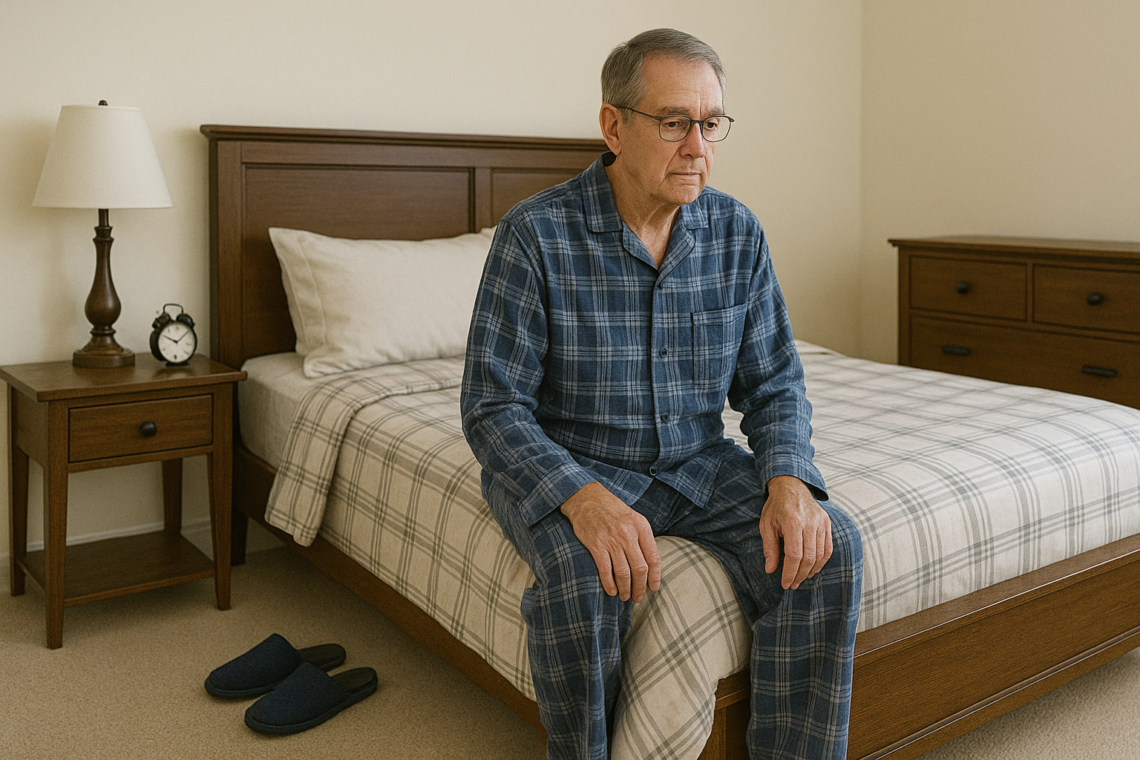
It is a Tuesday afternoon. The kids live three states away. The neighbor who used to stop by for coffee moved to an assisted living community last spring. Retirement has settled in, and with it, a quiet that used to feel like a gift but now feels a little too loud. You are not sad, exactly. But you are not quite yourself, either.
That experience is more common than most people realize. Loneliness among older adults has become one of the most pressing public health challenges of our time. According to the U.S. Surgeon General’s 2023 advisory, “Our Epidemic of Loneliness and Isolation,” about half of American adults report experiencing measurable levels of loneliness, and older adults are among the most vulnerable.
Per a 2024 report from the University of Michigan National Poll on Healthy Aging (NPHA), 33% of adults ages 50 to 80 felt lonely some of the time or often in the past year. A 2020 report from the National Academies of Sciences, Engineering, and Medicine indicates that nearly one in four adults over age 65 are socially isolated in ways that put their health at risk.
Here is something important to understand from the start: loneliness is not the same as living alone. According to the CDC, loneliness is the subjective feeling of being disconnected, the gap between the social connection you have and the connection you desire. A person can live alone and feel deeply fulfilled. Conversely, someone surrounded by family members every day can still feel profoundly lonely. What matters is the quality and meaning of our connections, not just the physical presence of other people.
This blog will walk you through the causes of loneliness after 60, the serious health consequences that follow when it goes unaddressed, the warning signs to watch for, and most importantly, practical steps that can help both older adults and their families take action.
What Causes Loneliness After 60?
Loneliness rarely happens all at once. It tends to creep in gradually, shaped by a series of life changes that are, in many cases, completely normal parts of aging. Understanding what causes loneliness is the first step toward addressing it.
Retirement
For many people, work is far more than a paycheck. It provides structure, purpose, and a built-in social network. When retirement arrives, that daily rhythm of interaction and belonging can disappear almost overnight. The office friendships that seemed solid may fade once the reason for daily contact is gone.
Loss of a Spouse or Close Friends
Perhaps the most significant driver of loneliness in later life is the loss of a partner or the death of longtime friends. These relationships often represent decades of shared history, daily companionship, and emotional intimacy that simply cannot be replaced quickly, if ever.
Children and Family Moving Away
Adult children build their own lives, sometimes in different cities or countries. While this is a healthy and natural progression, it can leave older parents feeling less central to the family unit. Holidays and occasional visits become the primary touchpoints, and the day-to-day closeness that once existed quietly disappears.
Health Limitations
Chronic illness, mobility limitations, or conditions like arthritis can make it physically difficult to get out and socialize. When the body does not cooperate, maintaining friendships and community involvement becomes harder. Over time, declining health can pull a person further and further from the social world.
Transportation Challenges
For older adults who no longer drive, or who live in areas with limited public transportation, getting to social events, religious services, or community gatherings can become a genuine obstacle. Something as simple as attending a weekly group meeting can feel impossible without reliable transportation.
How Loneliness Affects Physical Health
Loneliness is not just an emotional experience. The research is clear that it has real, measurable consequences for the body. According to the U.S. Surgeon General’s 2023 advisory, lacking social connection can increase the risk of premature death to levels comparable to smoking 15 cigarettes a day. That is not a metaphor. That is the data.
Heart Disease
Per the CDC, poor social relationships are associated with a 29% increased risk of heart disease. The chronic stress that comes with feeling disconnected triggers elevated cortisol levels and inflammation, both of which place significant strain on the cardiovascular system.
Higher Blood Pressure and Stroke Risk
Research cited by the Surgeon General’s advisory indicates social isolation and loneliness are associated with a 32% increased risk of stroke. Elevated blood pressure is a documented consequence of chronic loneliness, driven in part by the body’s prolonged stress response.
Weakened Immune System
According to Barnstable County’s public health resources, chronic loneliness can weaken the immune system, making a person more susceptible to infections and slowing the body’s ability to heal. For older adults, whose immune systems are already naturally less robust, this added vulnerability can be especially significant.
Sleep Disturbances
Per research published in the U.S. Department of Health and Human Services, loneliness is linked to poor sleep quality. Lonely individuals tend to experience more fragmented, restless sleep, which compounds the health consequences over time, affecting everything from cognitive function to immune response.
Increased Risk of Dementia
This may be the most alarming finding of all. The CDC reports that social isolation is associated with approximately a 50% increased risk of developing dementia. According to the National Academies, the risk of developing dementia was 27% higher among socially isolated adults. The brain, like any other muscle, needs regular use and stimulation. Meaningful social interaction is one of the most effective ways to provide that stimulation.
The Impact on Mental and Emotional Well-Being
The toll of loneliness extends well beyond the physical. Its emotional and psychological effects can quietly erode quality of life in ways that are not always easy to see from the outside.
Depression
Per the Surgeon General’s advisory, lonely individuals face significantly higher risks of depression. The CDC notes that studies suggest chronic loneliness can cause people to become depressed, which then leads to neglecting healthy habits like exercise and nutrition, which in turn deepens the depression. It becomes a cycle that is genuinely difficult to break without intervention.
Anxiety
According to research summarized by the U.S. Department of Health and Human Services, anxiety is another documented consequence of chronic loneliness. Without regular social interaction to provide grounding and reassurance, older adults can find themselves increasingly anxious about health concerns, safety, and the future.
Reduced Sense of Purpose
Human beings are social creatures. As Dr. Carey Krause, Chief of Psychiatry at Trinity Health Grand Rapids, notes, normal human behavior favors frequent interactions with family and community throughout the day. When those interactions disappear, so can the sense of purpose and meaning that comes from being needed, seen, and valued by others.
Lower Self-Confidence
Extended periods of isolation can erode self-esteem. When an individual is not regularly engaging with others, sharing ideas, contributing to conversations, or simply feeling the warmth of being included, confidence in one’s own value can gradually diminish.
Warning Signs You Should Not Ignore
One of the challenges with loneliness is that it often does not announce itself dramatically. It tends to show up in subtle behavioral shifts that are easy to dismiss or attribute to something else entirely. Here are some warning signs that deserve attention.
- Withdrawing from activities they once enjoyed, such as club meetings, church, or family gatherings.
- Loss of interest in hobbies or pastimes that used to bring them joy.
- Excessive television watching as a primary source of company and stimulation.
- Noticeable changes in appetite, either eating significantly less or more than usual.
- Difficulty sleeping or sleeping far more than usual.
The University of Michigan National Poll on Healthy Aging indicates that feelings of social isolation and lack of companionship were reported by more than seven in ten older adults with fair or poor mental health. If you are seeing these signs in yourself or someone you love, that is not a reason for alarm but it is a reason to act.
Practical Ways to Stay Connected
The good news is that connection is something we can actively build at any age. It does not require dramatic life changes or expensive programs. It requires intention and small, consistent steps.
Join Community Groups
Book clubs, garden clubs, walking groups, hobby circles, and civic organizations all offer regular, structured opportunities for social engagement. The routine nature of these groups is part of what makes them effective. Showing up consistently builds real relationships over time.
Volunteer
Per multiple studies on aging and well-being, volunteering is one of the most effective antidotes to loneliness. It provides purpose, social contact, and a sense of contribution, all of which are powerful buffers against isolation. Local food banks, libraries, animal shelters, literacy programs, and mentoring organizations all welcome experienced volunteers.
Visit Senior Centers
According to the University of Michigan National Poll on Healthy Aging, the NPHA recommends referring older adults to Area Agencies on Aging and community resources like senior centers, which offer unmet social needs and opportunities for connection. Most senior centers offer fitness classes, social events, educational programs, hot meals, and transportation assistance, often at little or no cost.
Faith Communities
Churches, synagogues, mosques, and other faith communities often provide one of the most consistent and caring forms of social support available to older adults. Beyond services, many faith communities organize social events, visitation programs, and volunteer outreach that can foster genuine belonging.
Learn New Skills
Taking a class, whether it is cooking, painting, a new language, or a musical instrument, accomplishes multiple things at once. It stimulates the brain, provides structure, and puts you in a room with other people who share a common interest. Many community colleges and public libraries offer low-cost or free learning opportunities specifically for older adults.
Use Technology to Stay in Touch
Video calling through platforms like FaceTime, Zoom, or WhatsApp allows older adults to see and speak with family and friends regardless of distance. While technology is not a substitute for in-person interaction, it can meaningfully supplement it. Many libraries and senior centers offer free digital literacy classes for those who are not comfortable with these tools yet.
How Family Members Can Help
If you have a parent, grandparent, or older loved one in your life, you may already sense that something has shifted. Perhaps the calls come less frequently. Perhaps they seem quieter or less engaged than they used to be. Here is how you can make a meaningful difference.
Regular Check-Ins
A consistent, scheduled phone call or video chat can do more than you might think. It is not just about the conversation itself. It is about the older adult knowing that a connection is coming, that someone is thinking of them, and that they are a priority. Consistency matters more than length.
Encourage Social Activities Without Pressure
Gently suggesting community events, groups, or programs can open a door that an older adult may not have felt comfortable opening alone. Offer to research options together, make a first call on their behalf, or even attend a first meeting with them. Encouragement works best when it feels like support rather than pressure.
Help with Transportation
Transportation is one of the most common and underestimated barriers to social participation for older adults. Offering a ride, arranging for a rideshare service, or connecting them with a community transportation program can remove an obstacle that is preventing regular social contact.
Include Seniors in Family Events
Do not wait for the holidays. Invite older family members to casual gatherings, Sunday dinners, school events, or weekend outings. The experience of being included in everyday family life, not just the big occasions, reinforces a sense of belonging that is deeply important for emotional health.
Conclusion: Connection Is Not a Luxury. It Is a Necessity.
Loneliness is not an inevitable part of growing older. It is a condition, and like most conditions, it responds to treatment. The treatment in this case is connection, whether that means a weekly phone call, a new volunteer gig, a ride to the senior center, or simply making sure an older loved one knows they are seen and valued.
According to the U.S. Surgeon General Dr. Vivek Murthy, loneliness harms both individual and societal health and is associated with a greater risk of cardiovascular disease, dementia, stroke, depression, anxiety, and premature death. These are not small stakes. They are the stakes of someone’s life, possibly someone you love, possibly your own.
The truth is, small actions compound. One conversation, one group meeting, one shared meal, one genuine laugh with someone who knows your name. These moments add up. They build the kind of social fabric that protects health, sustains purpose, and makes the later chapters of life not something to endure, but something to genuinely live.
If you are an older adult reading this, please know you do not have to wait for someone else to reach out first. Reach toward something, a class, a center, a community, a conversation. If you are a family member reading this, please do not underestimate the power of your attention. For someone who is lonely, you may be exactly the connection they need.
Sources
1. U.S. Surgeon General’s Advisory, “Our Epidemic of Loneliness and Isolation,” 2023. Office of the U.S. Surgeon General. https://www.hhs.gov/surgeon-general/priorities/connection/index.html
2. University of Michigan National Poll on Healthy Aging (NPHA). “Loneliness and Isolation: Back to Pre-Pandemic Levels, But Still High, for Older Adults.” December 2024. https://ihpi.umich.edu/news-events/news/loneliness-and-isolation-back-pre-pandemic-levels-still-high-older-adults
3. Malani P, Singer D, Kirch M, et al. “Trends in Loneliness Among Older Adults from 2018-2023.” University of Michigan National Poll on Healthy Aging. March 2023. https://www.healthyagingpoll.org/reports-more/report/trends-loneliness-among-older-adults-2018-2023
4. Centers for Disease Control and Prevention (CDC). “Loneliness and Social Isolation Linked to Serious Health Conditions.” https://www.cdc.gov/aging/publications/features/lonely-older-adults.html
5. National Academies of Sciences, Engineering, and Medicine. “Social Isolation and Loneliness in Older Adults: Opportunities for the Health Care System.” 2020.
6. NPR. “America Has a Loneliness Epidemic. Here Are 6 Steps to Address It.” May 2023. https://www.npr.org/2023/05/02/1173418268/loneliness-connection-mental-health-dementia-surgeon-general
7. Barnstable County Public Health. “The Hidden Health Risk: Understanding Loneliness.” January 2026. https://www.capecod.gov/2026/01/27/the-hidden-health-risk-understanding-loneliness/
8. Trinity Health Michigan. “Our Epidemic of Loneliness and Isolation.” July 2024. https://www.trinityhealthmichigan.org/newsroom/blog-articles/our-epidemic-loneliness-and-isolation-0
9. Cornell Healthcare Review. “Social Isolation and Loneliness: A Public Health Crisis.” January 2024. https://www.cornellhealthcarereview.org/post/social-isolation-and-loneliness-a-public-health-crisis
10. GetCareSC. “What Impact Can Loneliness and Social Isolation Have on the Senior Population?” https://www.getcaresc.com/what-impact-can-loneliness-and-social-isolation-have-senior-population
11. CareScout. “How Loneliness Is Impacting Older Adults Across the Country.” February 2026. https://www.carescout.com/resources/how-loneliness-is-impacting-older-adults-across-the-country


