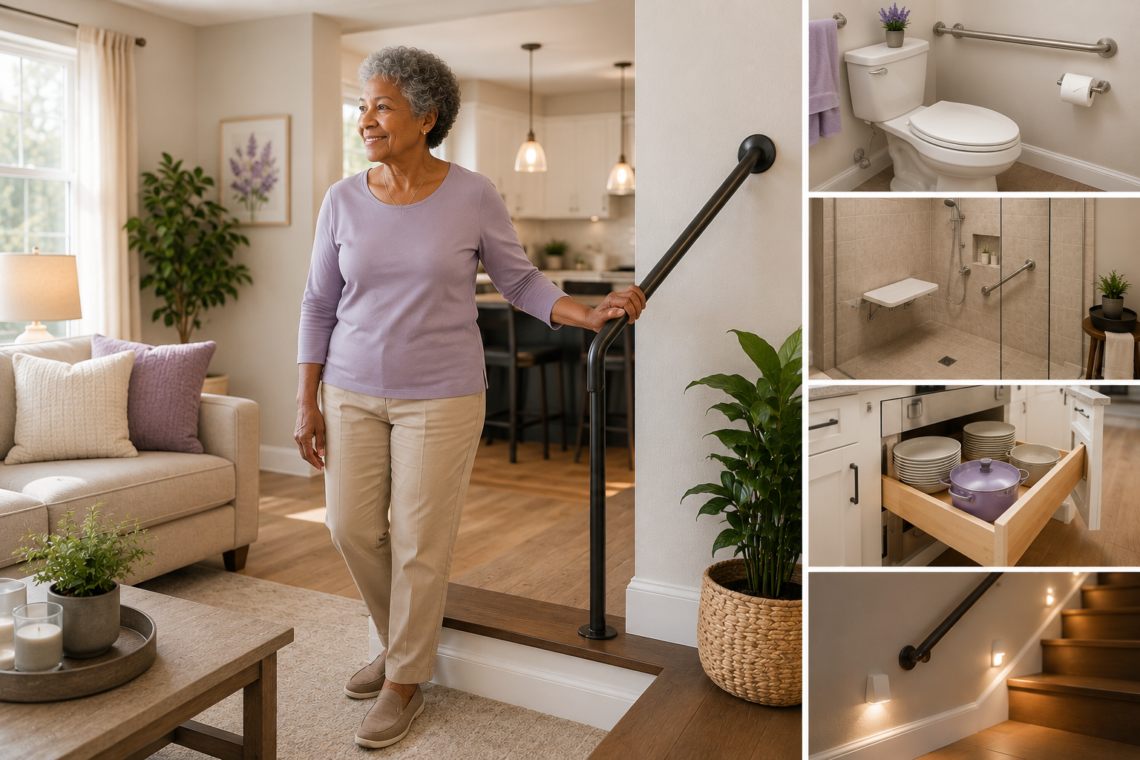
Home Safety & Independence
Disclaimer: The information in this article is for educational purposes only and does not constitute legal or professional advice. I am not an attorney. Please consult a licensed contractor, occupational therapist, or other qualified professional for advice specific to your situation.
There is no place quite like home. For millions of older adults around the world, home represents far more than four walls and a roof. It is where memories were built, where daily rhythms feel natural, and where a sense of control and dignity can be maintained long into later life. According to a 2024 survey cited by Retirement Living, 95% of adults aged 55 and older consider aging in place an important goal, up from 92% the year before.
Aging in place, per the Centers for Disease Control and Prevention (CDC), means being able to live safely and comfortably in your home and community regardless of age, income, or physical ability. It is about preserving independence and personal choice. And it is a goal that a growing number of older adults are actively planning for.
According to Choice Mutual (2024), over 60% of seniors report an emotional attachment to their home, and 40% identify independence as the most important reason for staying. Research also indicates that familiar surroundings can provide emotional stability, reduce the stress of transition, and help older adults maintain connections to the communities and people they love.
Yet the reality is that most homes were not built with aging in mind. Per the U.S. Census Bureau, only about 10% of American homes are considered aging-ready, meaning they include step-free entryways, a first-floor bedroom, and at least one bathroom accessibility feature. That gap between where people want to live and what their home currently offers is where thoughtful planning and smart modifications become essential.
This article walks through 12 meaningful home modifications, organized by area of the home, along with guidance on affordable quick wins, smart technology, and a balanced look at when staying home may no longer be the safest option. The goal is to help you or your loved one plan ahead, so that more choices remain available later.
Understanding Common Fall Risks
Before making any modifications, it helps to understand why falls are such a serious concern for older adults and where in the home they most often happen.
According to the CDC (2026), falls are the leading cause of both fatal and nonfatal injuries among adults aged 65 and older. Over 14 million, or one in four older adults, report falling every year. The National Safety Council reports that in 2024 alone, 43,020 individuals aged 65 and older died as a result of preventable falls, and the fall death rate increased by 21% between 2018 and 2024.
Per a 2024 study published in the journal Injury Prevention and cited by Journalists Resource, healthcare spending for nonfatal falls among older adults reached $80 billion in 2022, and the National Council on Aging projects that figure could exceed $101 billion annually by 2030.
The areas of the home that present the greatest risk, according to the National Institute on Aging (NIA) and the CDC, include:
- The bathroom, where slippery surfaces and the physical demands of bathing create consistent danger
- Staircases and steps, particularly those without secure handrails on both sides
- Hallways and entryways, especially those that are poorly lit at night
- The kitchen, where reaching, bending, and fatigue can affect balance
- Any area with loose rugs, extension cords across walkways, or cluttered pathways
Understanding these risk zones helps prioritize where to focus first. The modifications below are organized by room and area to make that planning more manageable.
Bathroom Safety Improvements
The bathroom is consistently identified as the most hazardous room in the home for older adults. Per the AARP, hard surfaces, wet floors, and the physical demands of getting in and out of the tub or shower create a perfect combination of risk factors. The good news is that a range of modifications can dramatically reduce that risk without requiring a complete renovation.
Grab Bars
According to the National Institute on Aging, mounting grab bars near the toilet and on both the inside and outside of the tub and shower is one of the most important steps a senior can take. A 2023 study from Portland State University, using data from the Health and Retirement Study, indicates that having a grab bar or shower seat in the home is consistently associated with a significantly reduced risk of nursing home admission.
Today’s grab bars are also far more attractive than the institutional chrome fixtures of the past. Per OCNJ Daily (2026), modern installations can blend into towel racks, soap holders, and wall accents while still being reinforced to hold well over 250 pounds.
Estimated cost: Grab bar hardware can cost under $100, with professional installation adding to that amount, according to Good Men Project (2026).
Walk-In Showers
The step-over threshold of a traditional bathtub is one of the most common tripping points in any senior’s bathroom. Replacing it with a curbless or low-threshold walk-in shower eliminates that hazard entirely. When paired with a built-in bench or removable shower chair, this modification allows someone to bathe safely and independently. Per Trusted Touch Healthcare, roll-in showers additionally accommodate walkers and wheelchairs with no step-over at all.
Non-Slip Flooring
The National Institute on Aging recommends placing nonskid mats or strips on any bathroom surface that may get wet. For a more permanent solution, replacing slick tile or polished flooring with slip-resistant vinyl or textured tile reduces the risk of a fall from wet surfaces. Per Caring Senior Service, this type of flooring change can also reduce the severity of injury if a fall does occur.
Raised Toilet Seats
Lowering into and rising from a standard-height toilet can be challenging for individuals managing arthritis, hip replacements, or general muscle weakness. A raised toilet seat is an affordable add-on that provides several additional inches of height. Per Trusted Touch Healthcare, this modification is especially effective when combined with nearby grab bars, as the combination gives a person multiple points of support for both lowering and rising safely.
Kitchen Modifications
For many older adults, the kitchen is where a significant portion of the day is spent. It is also a space where reaching, bending, gripping, and standing for extended periods can become increasingly difficult. Targeted modifications can help someone continue cooking and managing daily routines safely and independently.
Pull-Out Shelves and Drawers
Standard deep cabinets often require a person to reach far back or crouch low to retrieve items. Per humancareny.com, pull-out shelves and drawers allow contents to be accessed from a standing position without straining or losing balance. This is a particularly valuable modification for lower cabinets where pots, pans, and canned goods are often stored.
Better Lighting
The National Institute on Aging notes that poor lighting is a significant fall risk throughout the home, and the kitchen is no exception. Under-cabinet lighting that illuminates countertops, brighter overhead fixtures, and motion-activated lighting can all improve visibility during meal preparation, especially in the early morning or evening hours. According to Age Safe America, research indicates that home modifications and repairs, including improved lighting, may prevent up to 50% of all home accidents among seniors.
Easy-to-Reach Storage
The National Institute on Aging specifically recommends keeping frequently used pots, pans, and kitchen utensils in places that are easy to reach, and preparing food while seated to prevent fatigue or loss of balance. Rearranging storage so that the items used most often sit between hip and shoulder height eliminates the need to stretch above or bend below the safe reach zone.
Lever-Style Faucets
Round or knob-style faucet handles require grip strength and wrist rotation that can be painful for those with arthritis or limited hand strength. Per humancareny.com, lever-style faucet handles and D-ring cabinet pulls require significantly less grip, making daily kitchen tasks more manageable. Touch-activated or motion-sensing faucets are also an option for those with more significant hand limitations.
Bedroom Safety Enhancements
The bedroom presents its own set of risks, particularly because many falls happen at night when disorientation, drowsiness, and reduced visibility combine. A few targeted changes can make nighttime movement significantly safer.
Proper Bed Height
A bed that is too low forces the user to push harder to stand, increasing the chance of losing balance. One that is too high creates a fall hazard when getting in. The ideal bed height allows the person to sit on the edge of the mattress with their feet flat on the floor and their knees at roughly a 90-degree angle. Bed risers can elevate a low bed, while a lower-profile box spring or platform frame can lower one that sits too high.
Night Lighting
Per the National Institute on Aging, placing night lights and light switches close to the bed is a key safety recommendation. Motion-activated night lights in the path between the bed and bathroom can eliminate the hazard of navigating in complete darkness. According to AR Home Care (2025), research indicates that visual-cue lighting can reduce nighttime falls among older adults by more than 30%.
Clear Walking Paths
Furniture placement, extension cords, laundry, and other items on the floor between the bed and the bedroom door or bathroom create real tripping hazards. The National Institute on Aging recommends arranging furniture so that it is not in the walking path and keeping items used frequently at waist level or within easy reach to avoid the need to bend or stretch unexpectedly in a small space.
Emergency Alert Systems
A wearable medical alert device is one of the most important investments a person living alone can make. These devices allow the user to summon emergency help at the press of a button, particularly valuable if a fall or medical event happens during the night. Per the National Institute on Aging, placing a landline or well-charged phone near the bed is also recommended. According to Age Safe America (2026), many modern medical alert systems now integrate with smart home platforms, allowing voice commands to trigger emergency calls as well.
Entryway and Exterior Improvements
The path from the car to the front door and the entrance itself are often overlooked in aging-in-place planning, yet they are among the first areas that can become barriers to coming and going freely.
Ramps
Even a single step at the front door can create a daily obstacle for someone using a walker or wheelchair, and represents a fall hazard for anyone with reduced leg strength or balance. Per humancareny.com, wheelchair ramps range in cost from $950 to $3,000 depending on length and materials. Portable aluminum ramp systems are also available and are particularly useful for temporary recovery situations or homes where a permanent ramp may not be practical, according to OCNJ Daily (2026).
Handrails
Per the National Institute on Aging, any steps leading to the front door should be checked for damage and uneven surfaces, and non-slip material should be added to outdoor stairways. Handrails on both sides of any staircase, both interior and exterior, give a person two points of support and significantly reduce the likelihood of a misstep causing a fall.
Motion-Sensor Lighting
The National Institute on Aging recommends turning on porch lights at night and when returning home after dark. Motion-sensor lighting automates that process, ensuring the entry path is always illuminated when someone approaches without requiring them to remember to flip a switch. Per VGM (2025), motion-sensor lighting is among the most widely recommended exterior modifications for fall prevention.
Non-Slip Pathways
Driveways, walkways, and patios can become dangerously slick when wet, especially in climates where morning dew or afternoon rain is common. Non-slip coatings, textured pavers, or rubberized pathway surfaces can improve traction. The National Institute on Aging also recommends keeping outdoor areas clear of debris such as fallen branches and treating walkways with appropriate materials in colder climates.
Smart Technology for Seniors
Technology has become one of the most powerful and accessible tools for supporting aging in place. Many smart home devices are now specifically designed with older adults in mind, offering intuitive interfaces, voice control, and features that support both safety and independence.
Video Doorbells
Per ecovacs.com, video doorbells allow seniors to see and speak to visitors without going to the door, which is especially valuable for those with mobility limitations or those who are cautious about answering the door. According to Age Safe America (2026), devices like Ring and Google Nest Doorbell let seniors identify visitors from a screen or smartphone, and smart locks can allow trusted family members to enter remotely. Per smart home researcher at Ignitec (2026), these security features give both seniors and their families meaningful peace of mind.
Voice Assistants
Voice-activated devices such as Amazon Alexa and Google Assistant have become practical daily tools for older adults. Per JubileeTV (2026), voice assistants allow seniors to control lights, thermostats, and door locks, set reminders, make phone calls, and play music through simple spoken commands, requiring no physical interaction with switches or devices. According to the University of Arizona Telemedicine Program, some smart assistants now also support video chat initiated entirely by voice, allowing easier and more frequent contact with family and caregivers.
Smart Thermostats
Maintaining a safe indoor temperature is important for older adults, who can be more vulnerable to both heat and cold. Per Epic Nursing Services (2025), smart thermostats adjust automatically for comfort and safety and can be controlled remotely by family members if needed. Many models learn a household’s patterns over time and adjust settings accordingly, reducing the chance that a senior forgets to adjust the temperature during a heat advisory or cold snap.
Medication Reminders
Missed or incorrect medication doses are a common and serious concern for older adults managing multiple prescriptions. Per techtimes.com (2024), smart pill dispensers can dispense medications at scheduled times, provide reminders and alerts, track adherence through a mobile app, and notify caregivers of missed doses or refill needs. According to Gracepoint Home Care, devices like Amazon Alexa and Google Assistant can also be programmed to deliver verbal medication reminders at specific times throughout the day as an additional layer of support.
Affordable Changes That Make a Big Difference
Not every improvement requires a contractor or a significant budget. Several of the most impactful changes cost very little and can be done in an afternoon. Per Age Safe America, research by the CDC indicates that home modifications and repairs of all types may prevent up to 50% of home accidents among seniors. Many of those preventable accidents are stopped by low-cost interventions.
Removing Loose Rugs
Loose area rugs, bath mats without non-slip backing, and runners that curl or slide underfoot are among the most common tripping hazards in the home. Per the National Institute on Aging, removing throw rugs entirely or replacing them with secured, non-slip alternatives is a simple and free first step that immediately reduces fall risk throughout the home.
Installing Brighter Bulbs
Replacing dim or old bulbs with brighter LED alternatives throughout the home, particularly in hallways, stairwells, bathrooms, and the kitchen, is an inexpensive intervention with immediate safety benefits. Per Age Safe America, improving lighting can be among the most cost-effective modifications available. Motion-activated nightlights can be purchased for just a few dollars each and placed strategically throughout the home.
Rearranging Furniture
Furniture placed too close together, coffee tables in the middle of walking paths, and chairs positioned where they are difficult to see at night all create unnecessary risk. The National Institute on Aging recommends arranging furniture so that walking paths remain clear and that sofas and chairs are the right height to get in and out of easily. Moving a favorite chair closer to the bathroom, or repositioning a bedside table to make a phone or lamp more reachable, are examples of simple rearrangements with real safety payoffs.
Organizing Frequently Used Items
Per the National Institute on Aging, keeping items used often at waist level or within easy reach and never standing on chairs or tables to reach high shelves are important daily habits. Moving dishes, glasses, medications, and frequently used food items to shelves or drawers that do not require reaching overhead or bending close to the floor reduces both physical strain and fall risk in the process.
When It May Be Time to Consider Other Housing Options
This article focuses on ways to support aging in place, and that remains the right choice for many older adults for many years. However, a balanced and honest approach to this topic means acknowledging that there are circumstances where staying at home may no longer be the safest or most supportive option. Recognizing those signs early, while there is still time to plan thoughtfully, is itself an act of preparation.
Increasing Care Needs
Per A Place for Mom (aplaceformom.com), when a senior requires daily hands-on assistance with multiple activities of daily living, including bathing, dressing, toileting, or mobility, and cannot safely be left alone for extended periods, the level of care needed may exceed what can be provided at home even with modifications and home care support. As Senior Home Care by Angels notes (2026), multiple falls, difficulty navigating stairs, or consistent trouble moving safely around the home are among the clearest indicators that a higher level of care and supervision may be needed.
Home Maintenance Challenges
A home that requires significant ongoing maintenance, including a large yard, aging systems, or structural repairs, can become a source of financial and physical stress that is difficult for a senior to manage alone. Per A Place for Mom, the inability to keep up with household maintenance is one of the recognized signs that exploring other living arrangements may be warranted. In some cases, downsizing to a smaller, more manageable property that has already been modified for accessibility may be a middle-ground solution worth exploring.
Social Isolation
According to U.S. News Health (2026), one of the often-overlooked benefits of transitioning to a senior living community is the increased opportunity for daily socialization, activities, and connection. Per the Carex Health Brands aging-in-place statistics report (2024), two in five older adults do not know of places in their community where they can socialize, exercise, or participate in activities with others their age, which raises real concern about isolation for those aging at home. Social isolation has been associated with declines in both mental and physical health, and it is worth addressing proactively as part of any aging-in-place plan.
Financial Considerations
The costs of aging in place, including home modifications, in-home care services, and ongoing home maintenance, can accumulate significantly over time. Per Genworth Financial, home health aide services cost approximately $61,776 per year on average, while assisted living runs about $54,000 annually, with significant variation by location and level of care. When comparing options, the full financial picture on both sides of the equation, including the value of the current home and the cost of needed modifications, is worth reviewing with a financial advisor.
Note: I am not an attorney, and nothing in this section constitutes legal or financial advice. If you are navigating housing decisions for yourself or a loved one, please consult a licensed professional who can provide guidance specific to your circumstances.
Plan Ahead to Preserve More Choices
Staying in your own home as you age is a deeply personal goal, and one that is achievable for many people with the right preparation. The key insight that runs through every section of this article is the same: planning ahead provides more options.
A grab bar installed before a fall is far more effective than one installed after. A ramp put in before a mobility limitation becomes severe is easier to plan and fund than one needed urgently after a health event. The same principle applies to every modification covered here. Small improvements made today can preserve independence and comfort for years to come.
You do not need to address everything at once. Starting with a home safety assessment, identifying the two or three highest-risk areas, and making those changes first is a practical and manageable approach. From there, additional modifications can be added over time as needs evolve and budget allows.
If you have questions about how professional home care services can support a senior who is aging in place, including companionship, personal care, and safety monitoring, please reach out to a care provider agency in your state. Care providers works alongside families to create safe, comfortable living environments where seniors can thrive on their own terms.
Sources
- Retirement Living. (2024). Aging in Place Statistics 2024. retirementliving.com
- Centers for Disease Control and Prevention (CDC). (2026). Older Adult Falls Data. cdc.gov/falls
- Centers for Disease Control and Prevention (CDC). Facts About Falls. cdc.gov/falls
- National Safety Council. (2025). Older Adult Falls. injuryfacts.nsc.org
- Journalists Resource. (2024). Accidental Falls in the Older Adult Population: What Academic Research Shows. journalistsresource.org
- National Council on Aging. Fall Prevention Facts. ncoa.org
- U.S. Census Bureau. (2020). American Housing Survey.
- Genworth Financial. Cost of Care Survey. genworth.com
- Choice Mutual. (2024). Aging in Place Statistics and Facts. choicemutual.com
- National Institute on Aging. Preventing Falls at Home: Room by Room. nia.nih.gov
- AARP. Home Safety and Aging in Place. aarp.org
- Age Safe America. (2026). Senior Home Modifications and Accessibility Solutions. agesafeamerica.com
- Age Safe America. (2026). Smart Home Devices for Senior Independence in 2026. agesafeamerica.com
- OCNJ Daily. (2026). 2026 Home Safety Modifications for Aging in Place. ocnjdaily.com
- Trusted Touch Healthcare. (2026). Home Modifications for Aging in Place. trustedtouchcares.com
- humancareny.com. Aging in Place Home Adaptations. humancareny.com
- VGM. (2025). Fall Prevention Home Modifications: Safer Living. vgm.com
- Caring Senior Service. Home Modifications to Prevent Senior Falls. caringseniorservice.com
- Good Men Project. (2026). Simple Home Modifications to Improve Safety for Seniors. goodmenproject.com
- Portland State University / National Institutes of Health. (2023). Enabling Aging in Place: The Impact of Home Modifications on Nursing Home Admission Risk. pmc.ncbi.nlm.nih.gov
- Carex Health Brands. (2024). Aging in Place Statistics. carex.com
- TechTimes. (2024). Smart Home Solutions for Aging in Place. techtimes.com
- JubileeTV. (2026). 11 Best Smart Home Devices for Aging in Place. getjubileetv.com
- AR Home Care. (2025). 7 Simple Smart Home Devices Elderly Parents Actually Love to Use. arhomecare.com
- Ignitec. (2026). Smart Home Technology for Seniors. ignitec.com
- Epic Nursing Services. (2025). 7 Powerful Smart Home Devices for Safer Aging in Place. epicnursingservices.com
- Gracepoint Home Care. Aging in Place with Smart Technology. gracepointcare.com
- University of Arizona Telemedicine. Aging in Place in a Connected World: How Smart Technology Can Help. telemedicine.arizona.edu
- A Place for Mom. (2024). 11 Signs It Might Be Time for Assisted Living. aplaceformom.com
- Senior Home Care by Angels. (2026). When to Move to Assisted Living. seniorhomecarebyangels.com
- U.S. News Health. (2026). 7 Signs It’s Time to Move to a Senior Living Facility. health.usnews.com


